From API sourcing to systemic exposure: a biopharmaceutical perspective
30 September 2026
Dr Frédéric Marçon (Amiens-Picardie University Hospital / University of Picardie Jules Verne, Amiens - France)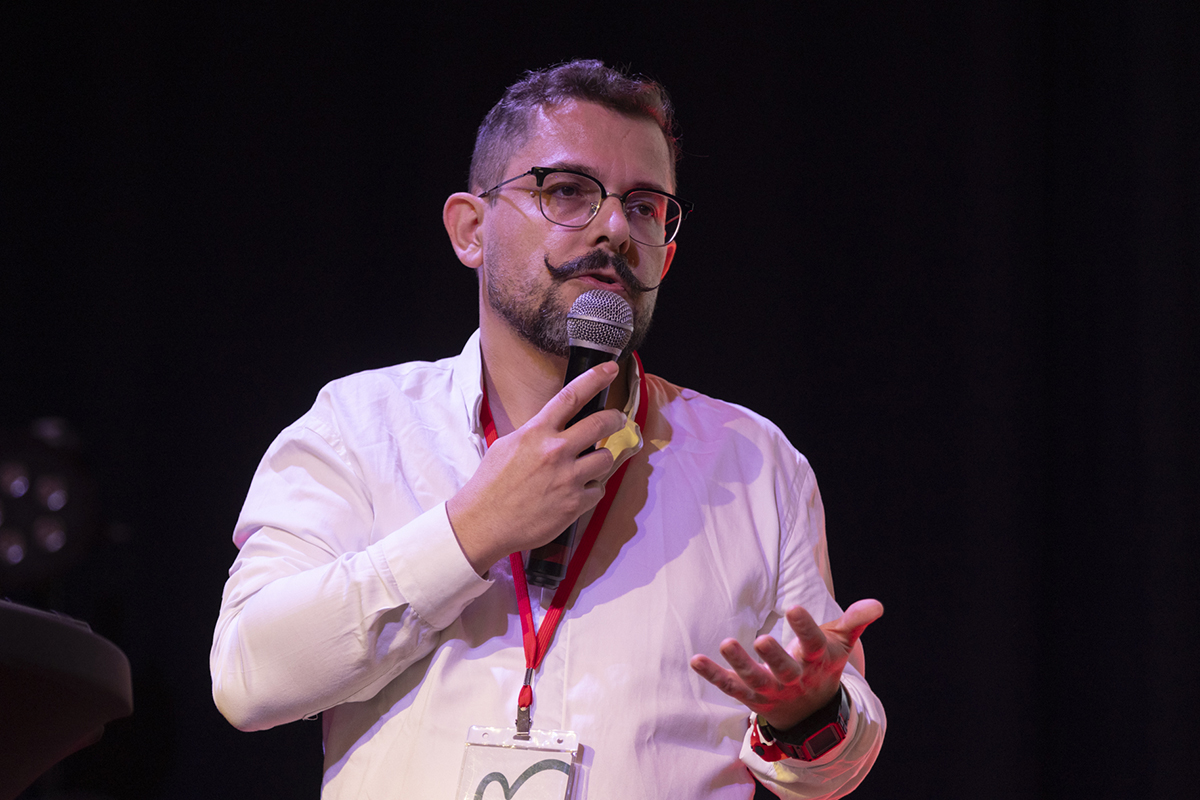
Same active substance, same dose… same exposure? Not necessarily. When the paediatric Sporanox® oral solution (itraconazole) was discontinued, compounding a suspension seemed an obvious fix. This talk shows why that seemingly straightforward substitution may put patients at risk of therapeutic failure.
Going back to the basics of biopharmacy, the presentation follows the continuum from the solid state of the API to systemic exposure: drug release, dissolution, and passage across physiological barriers. It explains how particle size, polymorphism, amorphous versus crystalline state and solvates shape solubility and, ultimately, bioavailability. The Biopharmaceutics Classification System (BCS) serves as a practical framework to identify when dissolution, permeation become the rate-limiting factor.
The itraconazole case, a BCS class 2 drug whose available polymorph is both the most stable and practically insoluble, brings these concepts to life: without genuine solubilisation (cyclodextrin complexation, acidic conditions, propylene glycol), a suspension may be poorly effective or even ineffective.
The formulation is part of the drug. Before substituting a dosage form, ask what controls absorption.